Quality Documentation Expectations for Organic Input Ingredient Buyers
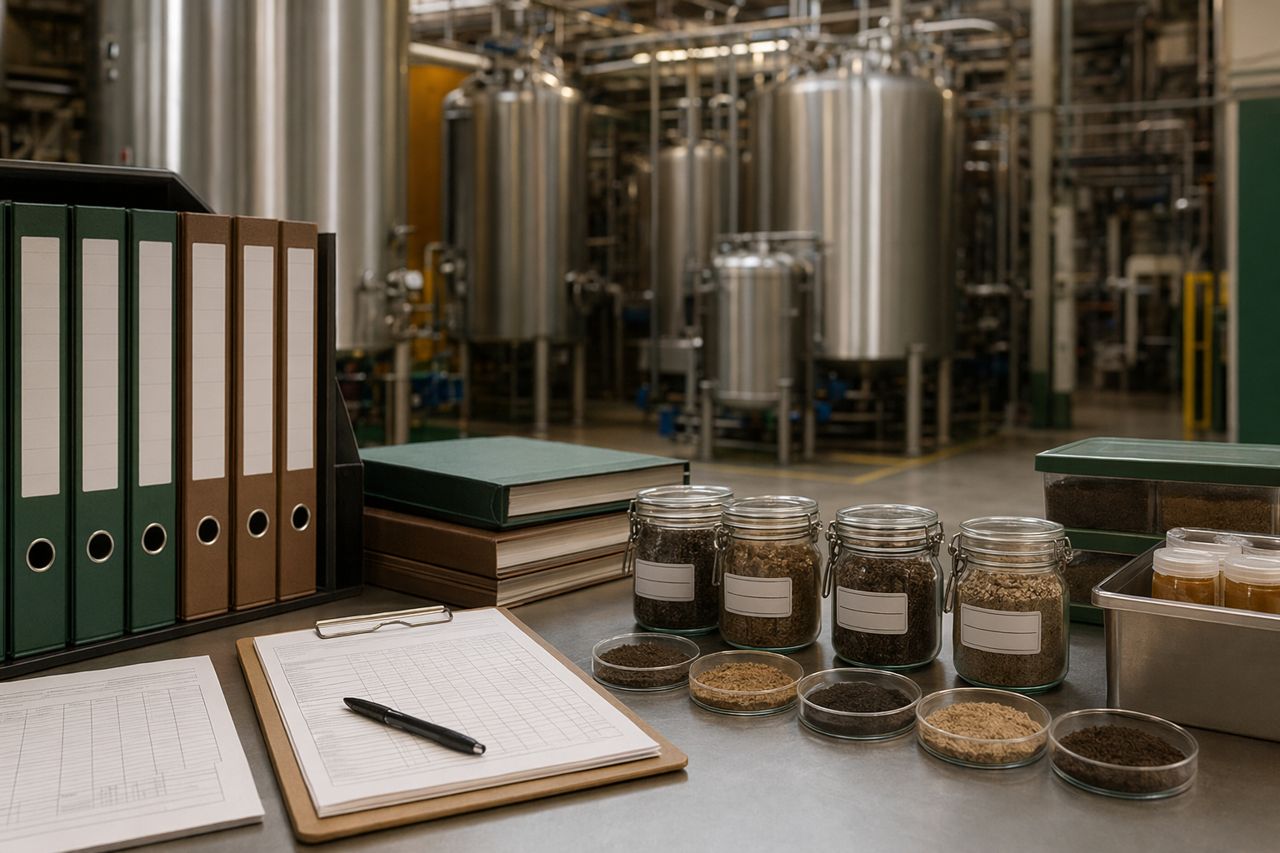
For a biofertilizer manufacturer, ingredient documentation is not paperwork at the edge of the purchase. It is part of production control.
When an organic input, microbial support ingredient, or processing aid enters a plant, it can influence substrate conversion, organism viability, blending behavior, drying performance, label support, and release confidence. The stronger the documentation package, the easier it is for procurement, quality, and production teams to qualify the material without slowing the line.
Enzymesportal works as an enzyme supplier for biofertilizer manufacturing with this plant-floor reality in mind: ingredient buyers need materials that perform consistently and arrive with documentation that supports internal approval, batch records, and customer audits.
What Documentation Should Help You Decide
A useful ingredient file should answer practical questions before the first production trial:
- What is the material, and what role is it intended to play in the process?
- Which raw material sources and production steps affect consistency?
- What controls are in place to reduce unwanted contaminants?
- How should the ingredient be stored, handled, and added to the batch?
- What change notifications will the supplier provide?
- Can the supplier support recurring production, not just a one-time sample?
For organic input buyers, the goal is not simply to collect certificates. The goal is to reduce uncertainty before the ingredient touches the culture, carrier, or finished product stream.
Core Documents Organic Input Buyers Commonly Expect
1. Product Specification Sheet
The product specification should define the material clearly enough for purchasing, quality, and production teams to align. It should include identity, appearance, recommended storage conditions, packaging format, shelf-life guidance, and relevant quality parameters.
For enzyme ingredients used in biofertilizer production, the specification should also make clear how the material is positioned: substrate preparation, biomass release, carrier conditioning, residue breakdown, or process support. Ambiguous positioning creates confusion during trials and makes batch-to-batch comparison harder.
2. Certificate of Analysis or Batch Quality Statement
A batch-specific quality document helps connect the received lot to the supplier’s internal release process. Buyers should look for lot identification, manufacturing or release date, expiry or retest guidance, and confirmation that the lot meets the agreed specification.
This document matters because biofertilizer production is sensitive to variation. A lot that behaves differently during hydration, pre-mixing, fermentation support, or carrier incorporation can create downstream handling issues even when it appears acceptable at receiving.
3. Safety Data Sheet
The safety document should support warehouse handling, operator training, and internal chemical management. It should be current, clear, and aligned with the supplied product form.
For production teams, this is not just a compliance file. It affects storage layout, spill planning, PPE decisions, dust management, and how confidently the ingredient can be introduced into existing workflows.
4. Traceability and Lot Control Information
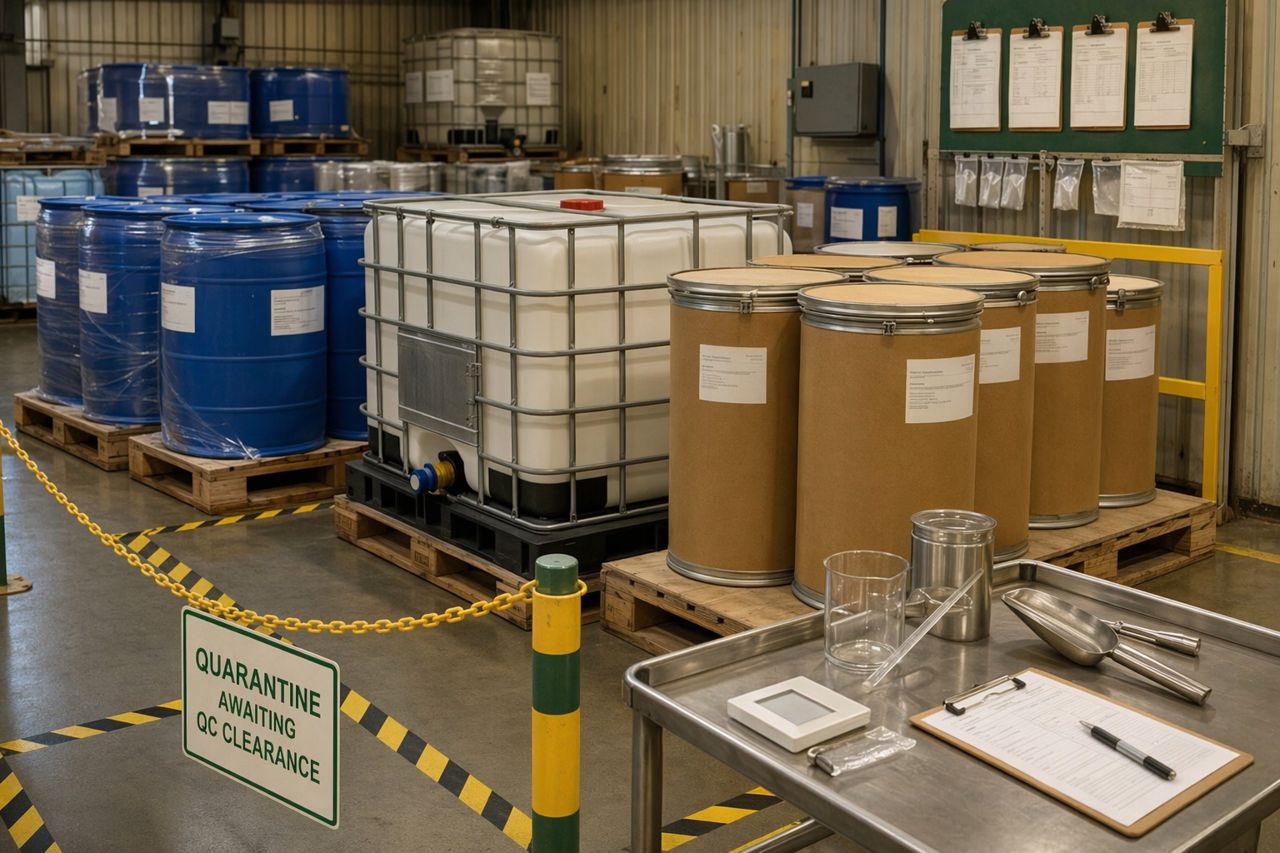
Traceability is essential when an ingredient becomes part of a living agricultural input. Buyers should expect lot numbering, shipment records, and a reasonable pathway for investigating quality concerns.
A practical supplier should be able to connect a delivered lot to retained production records, packaging records, and release decisions. Without traceability, a plant may have to quarantine more finished goods than necessary when investigating a deviation.
5. Allergen, GMO, Animal-Origin, and Restricted Material Statements Where Relevant
Organic input programs and customer specifications often require statements about ingredient origin and restricted material exposure. The exact document set depends on the buyer’s market, certification pathway, and finished product claims.
The key is consistency. If your sales team is making commitments to distributors, growers, or certifiers, procurement needs supplier documentation that supports those commitments without last-minute gaps.
Documentation Should Match the Manufacturing Risk
Not every ingredient carries the same operational risk. A carrier mineral, nutrient source, botanical extract, microbial strain, and enzyme preparation each touch the process differently.
For enzymes, biofertilizer buyers should focus on practical manufacturing questions:
- Will the ingredient support predictable substrate conversion?
- Does it introduce unwanted variability into the culture environment?
- Can it be added without disrupting organism viability?
- Does it behave consistently in liquid, slurry, or carrier-based systems?
- Will storage and transport conditions fit the plant’s reality?
- Can the supplier help interpret trial results and adjust addition strategy?
A production-aware enzyme supplier for biofertilizer manufacturing should be able to discuss these questions without forcing the buyer into generic ingredient language.
Supplier Reliability Is Part of the Documentation Package
A complete file is useful, but supplier behavior matters just as much. Documentation should arrive before qualification work, not after a purchase order is already under pressure.
Strong suppliers are usually able to provide:
- Clear product identity and lot-linked records
- Consistent specification language across documents
- Practical storage and handling guidance
- Change notification expectations
- Responsive support for quality questionnaires
- Production-relevant discussion during trials
- Supply continuity planning for recurring batches
When the documentation process is slow or inconsistent, it often predicts later friction: delayed receiving, extended quality holds, extra internal review, or uncertainty during customer audits.
Red Flags During Ingredient Qualification
Organic input buyers should be cautious when they see:
- Vague product descriptions that do not match the intended process role
- Missing or inconsistent lot identification
- Outdated safety documentation
- Unclear origin or restricted material statements
- No defined shelf-life or retest position
- Reluctance to discuss change control
- Sample performance that cannot be connected to commercial supply
- Supplier responses that ignore production conditions
A low-friction purchase can become expensive if documentation gaps delay release or require reformulation after scale-up.
How Better Documentation Protects Batch Consistency
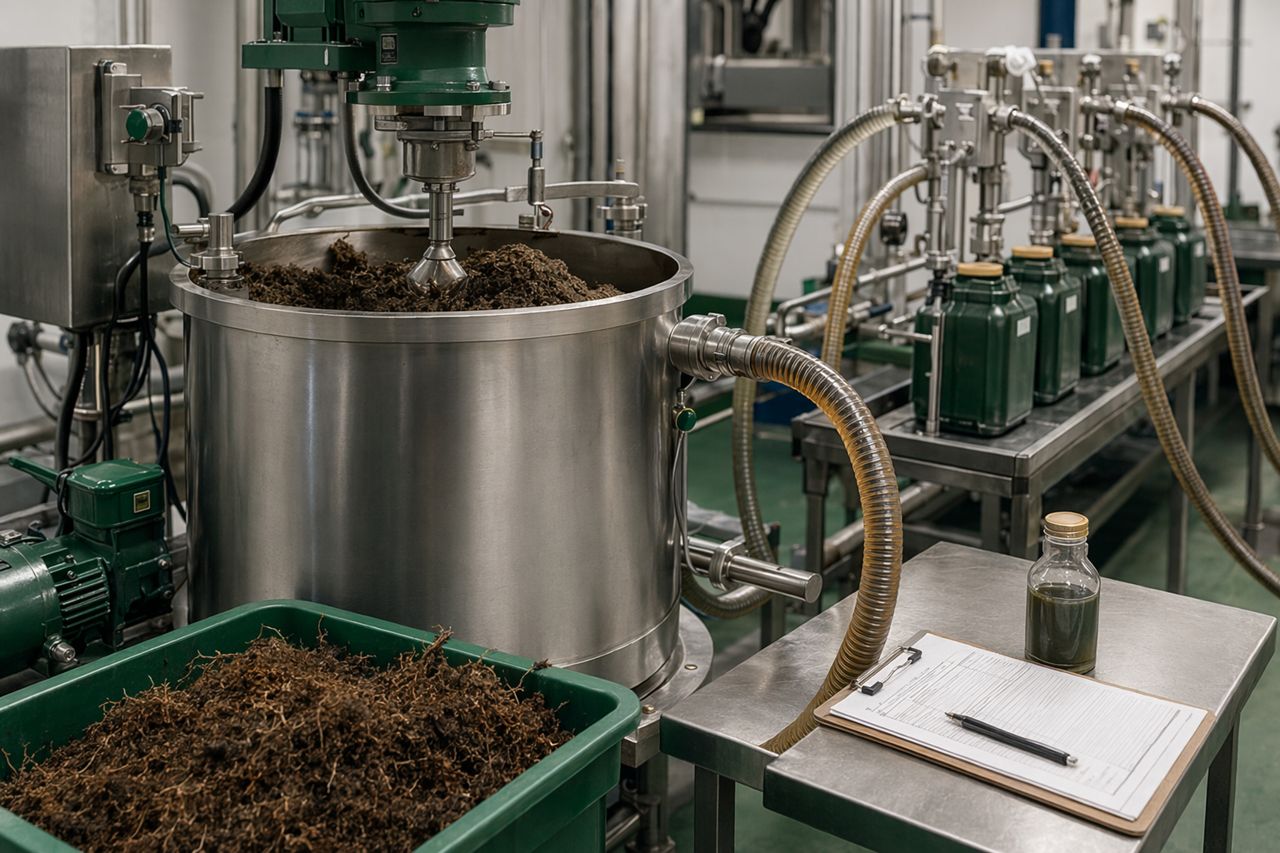
In biofertilizer manufacturing, batch consistency depends on more than the organism. It depends on the materials surrounding that organism: nutrient stream, substrate, carrier, moisture profile, pH environment, mixing sequence, and post-process handling.
Ingredient documentation helps teams build a stable control framework. It lets quality compare incoming lots, production understand handling limits, procurement plan supply continuity, and technical teams connect ingredient changes to process results.
For enzyme-supported processes, this is especially important. Enzymes may be used to improve substrate accessibility, help release nutrients from organic matrices, condition plant-derived materials, or reduce variability in complex feedstocks. The documentation should give the plant enough confidence to trial, validate, and repeat the process.
What to Ask Before Requesting a Quote
Before moving from sample review to commercial discussion, align internally on these points:
- What production step will the enzyme support?
- What substrate or carrier system will it contact?
- What organisms must remain viable through the process?
- What handling form is preferred for the plant?
- What documentation does quality require before approval?
- What customer or certification expectations must be supported?
- What production volume and delivery cadence are realistic?
The clearer these answers are, the faster a supplier can recommend a suitable product format and documentation package.
Enzymesportal Support for Organic Input Buyers
Enzymesportal supplies enzyme solutions for biofertilizer manufacturers that need practical documentation, production-aware guidance, and reliable communication during qualification.
Our role is to help buyers evaluate enzyme ingredients in the context of real manufacturing: batch consistency, substrate conversion, downstream handling, organism viability, and supplier reliability.
If your team is reviewing organic input ingredients or preparing a new biofertilizer process for scale-up, use the on-site request form to share your production goal, substrate type, organism considerations, and documentation needs.
Request a quote through the contact form, and Enzymesportal will respond with a practical supply and documentation pathway for your application.