Compost, Humic Inputs, and Microbial Inoculants: How Soil Amendment Brands Build Differentiated SKUs
Soil amendment shelves are getting crowded. Compost-based products, humic blends, microbial inoculants, liquid starters, carrier-based consortia, and specialty root-zone additives often compete for the same distributor attention and agronomist recommendation.
For a biofertilizer manufacturer, differentiation cannot depend only on a new label claim or a longer organism list. The product has to process consistently, remain handleable through storage and application, protect organism viability where relevant, and deliver a clear use case for the grower.
That is where formulation architecture matters. Compost, humic inputs, carriers, microbial cultures, and enzyme-enabled processing steps can be organized into SKUs with distinct performance intent. The right enzyme supplier for biofertilizer manufacturing should understand that enzymes are not a catalog add-on. They are process tools that help manage substrate conversion, batch repeatability, and downstream handling.
The soil amendment category is splitting into clearer SKU roles
Many manufacturers start with broad product concepts: soil conditioner, microbial booster, compost enhancer, or organic nutrient aid. As the brand matures, the portfolio usually needs sharper segmentation.
Common SKU roles include:
- Compost-derived amendments for organic matter contribution, microbial habitat, and general soil conditioning.
- Humic and fulvic inputs for carbon-based positioning, nutrient interaction, and compatibility with liquid or soluble formats.
- Microbial inoculants built around selected bacteria, fungi, or consortia with defined crop-stage or soil-function targets.
- Carrier-based dry blends where flowability, dust behavior, moisture control, and organism survival become key manufacturing concerns.
- Liquid biologicals where suspension behavior, viscosity, separation, odor, and shelf stability often define customer experience.
- Compost activation or decomposition-support SKUs intended for waste conversion, residue breakdown, or on-farm composting programs.
The strongest portfolios do not treat these as interchangeable products. They assign each SKU a manufacturing logic and a field-use logic.
Differentiation starts with substrate choice, not the label panel
Substrate selection influences nearly every downstream question: fermentation behavior, blending consistency, microbial compatibility, filtration load, packaging cleanliness, and final product appearance.
A compost-rich formulation may bring biological depth, but also variability in particle size, moisture, odor, and extractable solids. A humic input may support a premium carbon narrative, but it can create solubility, staining, and sediment concerns if not specified tightly. A microbial inoculant may look simple on the label, yet its success often depends on the carrier matrix, residual metabolites, and protection from hostile formulation conditions.
Practical substrate questions include:
- Does the input vary seasonally or by supplier lot?
- Will it increase viscosity, sediment, foam, or filter burden?
- Does it introduce compounds that stress the organism culture?
- Can it be processed without excessive heat, shear, or hold time?
- Does it support the SKU’s claimed use case, or only its marketing story?
Enzymes can help manufacturers convert complex plant-derived or organic substrates into more manageable process streams. But the enzyme choice has to be matched to the substrate and the manufacturing route, not selected as a generic activity label.
Where enzymes fit in soil amendment SKU design
In biofertilizer production, enzymes are often most useful when they solve a plant-floor problem before it becomes a finished-goods problem.
1. Improving substrate conversion
Compost extracts, plant meals, molasses-derived streams, seaweed inputs, and other organic materials can contain carbohydrates, proteins, fibers, and complex residues that behave unpredictably in process. Enzyme-supported conversion can help reduce stubborn solids, improve extractability, or create a more consistent feed stream for blending or fermentation.
2. Supporting batch consistency
A biofertilizer batch can drift because the substrate changes, not because the production team changed the process. Enzyme pretreatment can narrow some of that variation by making incoming organic materials behave more predictably during hydration, mixing, extraction, or holding.
3. Reducing downstream handling issues
Poorly converted substrates can create slow filtration, tank residue, sediment in liquid products, nozzle complaints, dust in dry blending, or packaging line cleanup issues. Enzyme strategy can be used to improve the processability of selected inputs before they reach the most sensitive production steps.
4. Protecting organism viability by avoiding overcorrection
For microbial inoculants, aggressive processing can solve one problem and create another. Excess heat, harsh chemistry, prolonged holds, or incompatible additives may reduce viability. A production-aware enzyme supplier helps evaluate the full sequence: what is converted, when it is converted, what remains in the matrix, and how the organism is introduced.
Compost-based SKUs: from variable organic matter to controlled process input
Compost-derived soil amendments can be powerful, but variability is built into the category. Feedstock history, maturity, moisture, microbial background, particle size, and extract behavior can all shift between lots.
For manufacturers building compost-based SKUs, the goal is not to erase the compost identity. The goal is to control the processing window enough that operators can run repeatable batches.
Enzyme-enabled process development may focus on:
- Improving extract release from selected compost fractions.
- Reducing problematic suspended solids before blending.
- Supporting more predictable viscosity in liquid extracts.
- Helping convert plant residue fractions that slow mixing or transfer.
- Reducing batch-to-batch variability before microbial addition or packaging.
The resulting SKU can still be positioned as compost-derived, but with a stronger operational foundation behind it.
Humic-input SKUs: premium positioning needs manufacturing discipline
Humic and fulvic inputs often carry strong commercial appeal. They fit grower language around soil carbon, nutrient efficiency, and root-zone support. But humic formulations can be sensitive to source quality, solubility, pH environment, minerals, and formulation partners.
Manufacturers should define whether the SKU is intended to be:
- A soluble or suspension concentrate.
- A dry blend component.
- A microbial carrier companion.
- A tank-mix oriented product.
- A compost or extract enhancer.
Each format creates different manufacturing priorities. A liquid humic product may need sediment control and clean transfer. A dry blend may need flow, low caking tendency, and compatible moisture. A microbial humic blend must be evaluated for organism stress and storage behavior.
Enzymes may not be the primary active story in every humic SKU, but they can support upstream processing when humic materials are combined with plant-derived substrates, compost extracts, or fermentation residues.
Microbial inoculants: differentiation is built around survival and delivery
Microbial inoculant SKUs often compete on strain identity, consortium breadth, or crop fit. Yet buyers and distributors quickly judge them by reliability: does the product arrive stable, apply cleanly, and perform consistently enough to earn repeat use?
For manufacturers, that means the formulation has to protect living organisms through real production conditions.
Key design questions include:
- When is the organism introduced relative to substrate conversion?
- Are residual materials compatible with the culture?
- Does the carrier support survival without creating handling problems?
- Will the product tolerate storage, transport, and typical application practices?
- Can the production team reproduce the same physical product across lots?
A practical enzyme strategy can help prepare the nutrient or carrier environment before inoculation, reduce inconsistent organic fractions, and improve the physical behavior of the final product. The priority is not adding complexity. The priority is reducing avoidable stress on the culture and the line.
Building a SKU ladder that distributors can understand
A differentiated soil amendment portfolio should be easy for sales teams and distributors to explain. One useful approach is to build a ladder from broad soil conditioning to more targeted biological performance.
Entry SKU: organic matter and soil conditioning
This product may use compost-derived materials or plant-based substrates. Manufacturing priorities include consistent color, odor control, particle behavior, and reliable packaging.
Mid-tier SKU: humic or carbon-supported amendment
This SKU adds a clearer agronomic story around carbon-based inputs, root-zone environment, or nutrient interaction. Manufacturing priorities include solubility, sediment control, and compatibility with common blend partners.
Advanced SKU: microbial inoculant or consortium blend
This product carries the highest biological expectation. Manufacturing priorities include organism viability, carrier compatibility, contamination control, gentle processing, and shelf-life confidence.
Specialty SKU: compost activation or residue conversion support
This SKU may emphasize decomposition, residue processing, or on-farm organic matter management. Manufacturing priorities include substrate conversion, enzyme compatibility, and clarity of use instructions.
This structure gives commercial teams a reason for each SKU to exist. It also helps production teams design process controls around the role of each product.
What to expect from a production-aware enzyme supplier
An enzyme supplier for biofertilizer manufacturing should be able to discuss more than enzyme names. The conversation should connect technical fit to plant-floor outcomes.
Look for support around:
- Substrate mapping: identifying which organic fractions are causing viscosity, sediment, slow extraction, or inconsistent conversion.
- Process placement: determining whether enzyme use belongs in pretreatment, extraction, fermentation support, post-conversion conditioning, or a separate intermediate step.
- Compatibility thinking: considering microbial viability, carrier chemistry, pH environment, temperature exposure, and hold conditions.
- Scale-up practicality: helping avoid lab-only solutions that create foam, excessive residence time, cleaning burden, or packaging issues at production scale.
- Supply reliability: providing consistent material availability, documentation, and communication that supports scheduled manufacturing.
For plant managers, the best enzyme decision is the one that makes the batch easier to run, not harder to justify.
Operational checkpoints before launching a new soil amendment SKU
Before a SKU reaches the market, production and commercial teams should align on the following checkpoints.
Manufacturing checkpoints
- Incoming substrate specifications are realistic and enforceable.
- Mixing, hydration, extraction, or fermentation steps are repeatable.
- Solids, viscosity, odor, foam, and sediment are within the plant’s handling capability.
- Packaging lines can run without abnormal cleanup or stoppage.
- Storage behavior is acceptable for the intended sales channel.
Biological checkpoints
- Organism addition points are defined and protected.
- Formulation partners do not create avoidable viability loss.
- Carrier conditions support the intended shelf life.
- The process does not rely on harsh corrections after inoculation.
Commercial checkpoints
- Each SKU has a distinct use case.
- Claims are matched to the formulation and the expected application context.
- Distributors can explain the product without technical overreach.
- The SKU fits the manufacturer’s supply chain and production rhythm.
The quiet advantage: making biological products easier to manufacture
Soil amendment differentiation is often described in agronomic language. But durable differentiation also comes from manufacturing control.
A compost SKU that pours, blends, and stores consistently is easier to defend. A humic formulation with fewer sediment complaints is easier to reorder. A microbial inoculant that protects viability through production and distribution gives the commercial team more confidence. An enzyme-supported process that improves substrate conversion without disrupting the organism can become a quiet but meaningful advantage.
Enzymesportal works with biofertilizer manufacturers that need enzyme inputs aligned with real production constraints: organic substrate variability, fermentation flow, carrier behavior, downstream handling, and reliable supply.
Planning a compost, humic, or microbial inoculant SKU? Use the on-site request a quote form to share your substrate, format, process stage, and production goal. We’ll help identify an enzyme supply approach that fits your manufacturing route.
Embedded explainer video
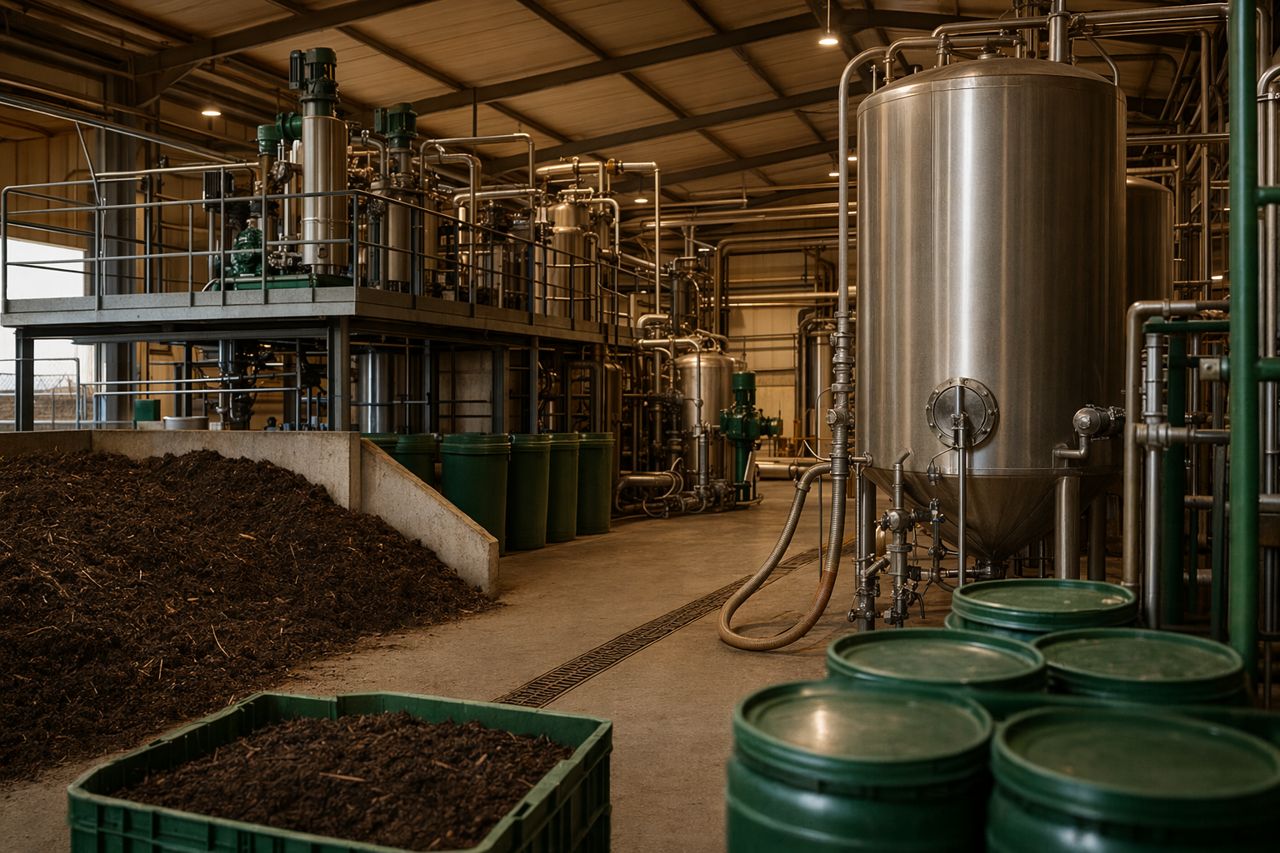
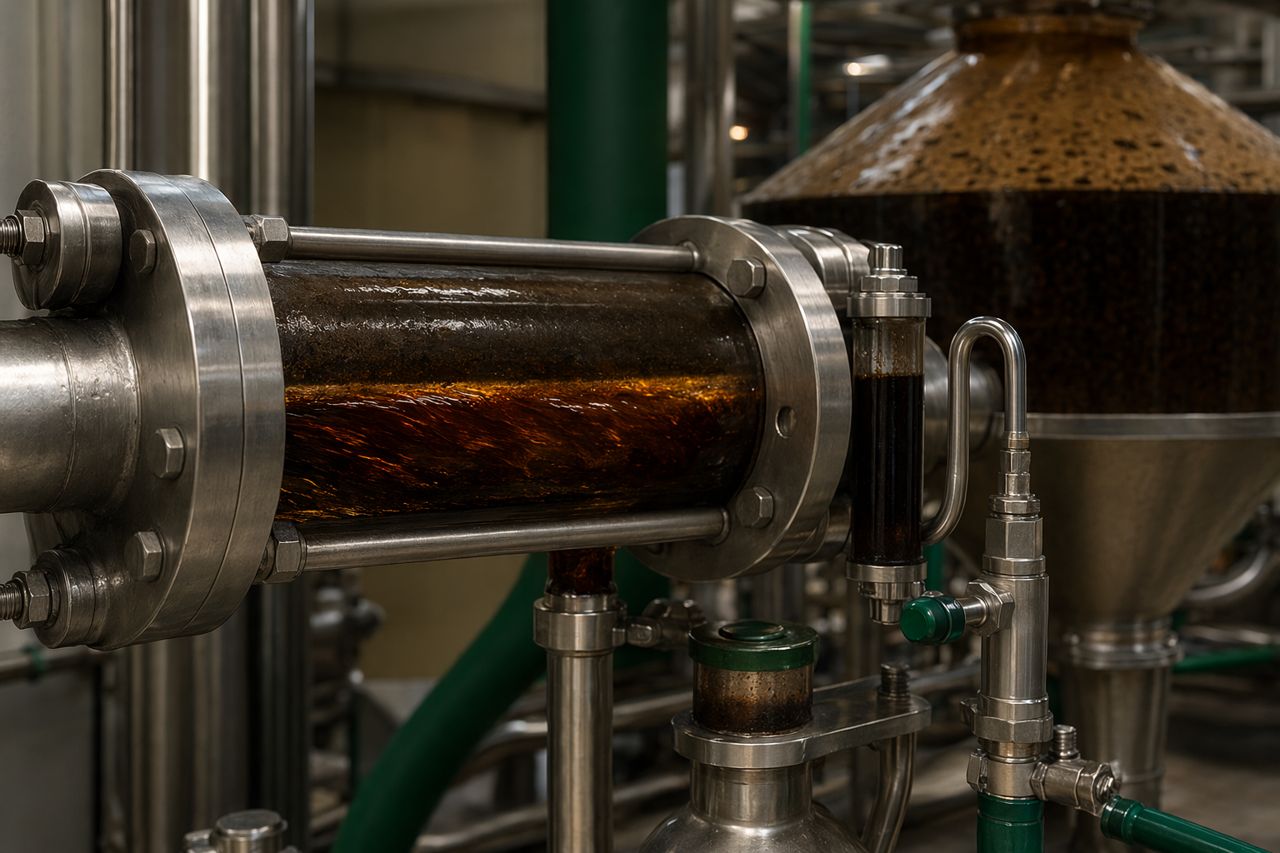
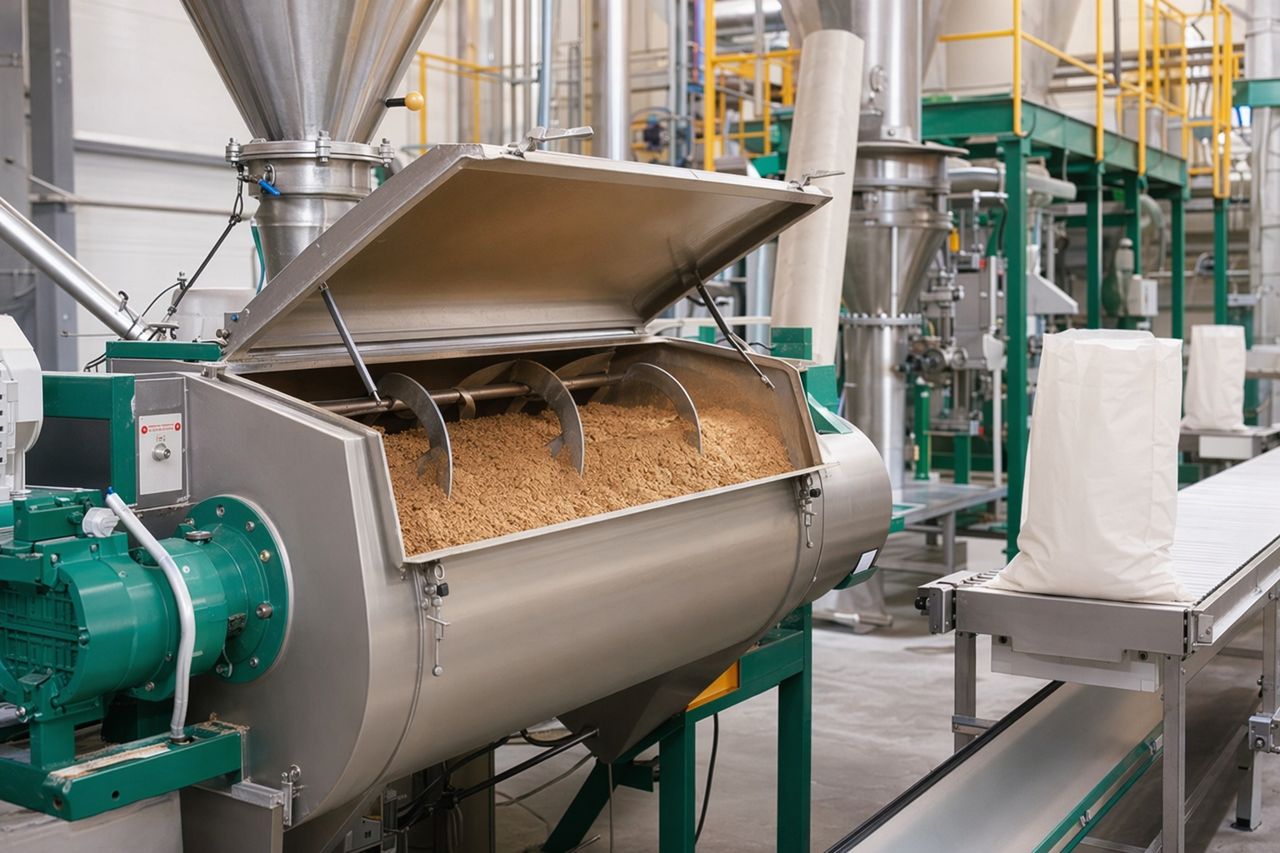
A short faceless explainer video on this page shows root-zone biology resolving into controlled biofertilizer manufacturing steps: substrate preparation, enzyme-supported conversion, microbial addition, carrier blending, and packaging. The visual style is warm, soil-toned, technical, and plant-floor practical.